

Your stories
Please note: Stock images used
My father required palliative care and after exploring all our options we decided to care for him at home. Our experience was in the most part very positive and we have deep regard for the palliative care nurses who assisted and lent timely support. The learning curve is steep and we really have a lot of insight to share —- right up until the time of death. I would like to share more and be involved in any campaign as this is a powerful, compelling and positive story. My father’s passing was a blessed experience because we were held throughout the process by such expertise and compassion.
We are a community home palliative care provider and have the privilege of supporting palliative patients and their families in their most vulnerable time of their lives. We have worked closely with a private hospital we partner with and their oncology ward, to support a palliative patient who’s a beautiful woman in her 30s to have one of our RNs accompany her on her wedding day this weekend. Whilst this is a heartbreaking story for a woman so young, there is joy in being able to help her fulfill her dying wish of getting married and our nurses be there to support her. She had no government funding, but her family have funded this privately. In situations like this we need to find the most caring, appropriate RN to support and have the care set up in a rapid timeframe - which our amazing team were able to do.
My mother stood to benefit from palliative care services and I hope the same human right will be afforded others who chose to end their life on these terms.
VAD is not for everyone. Government funding for palliative care
is an option that should be continued and expanded into the regions and right round Australia.
I have worked for 2 different Not for Profit Community Home based Palliative Care organisations for the past 8 years. I see the amount of terminally Ill patients that are sent home without adequate follow up care (lack of staff, lack of funding, lack of beds) I take calls daily from stressed families who feel let down by the system. The increase to our referrals far outweigh the amount of funding and assistance we have. More funding needs to go to Palliative care- this is not something that will ever go away- people are always going to die. But the level of care, assistance and resources are directly linked to Government spending and funds allocations.
Our Team do such an amazing job caring for Patients and their Families to give them dignity and allow them to see their final days the way they want.
Palliative Care is an important part of EVERYONES lives.
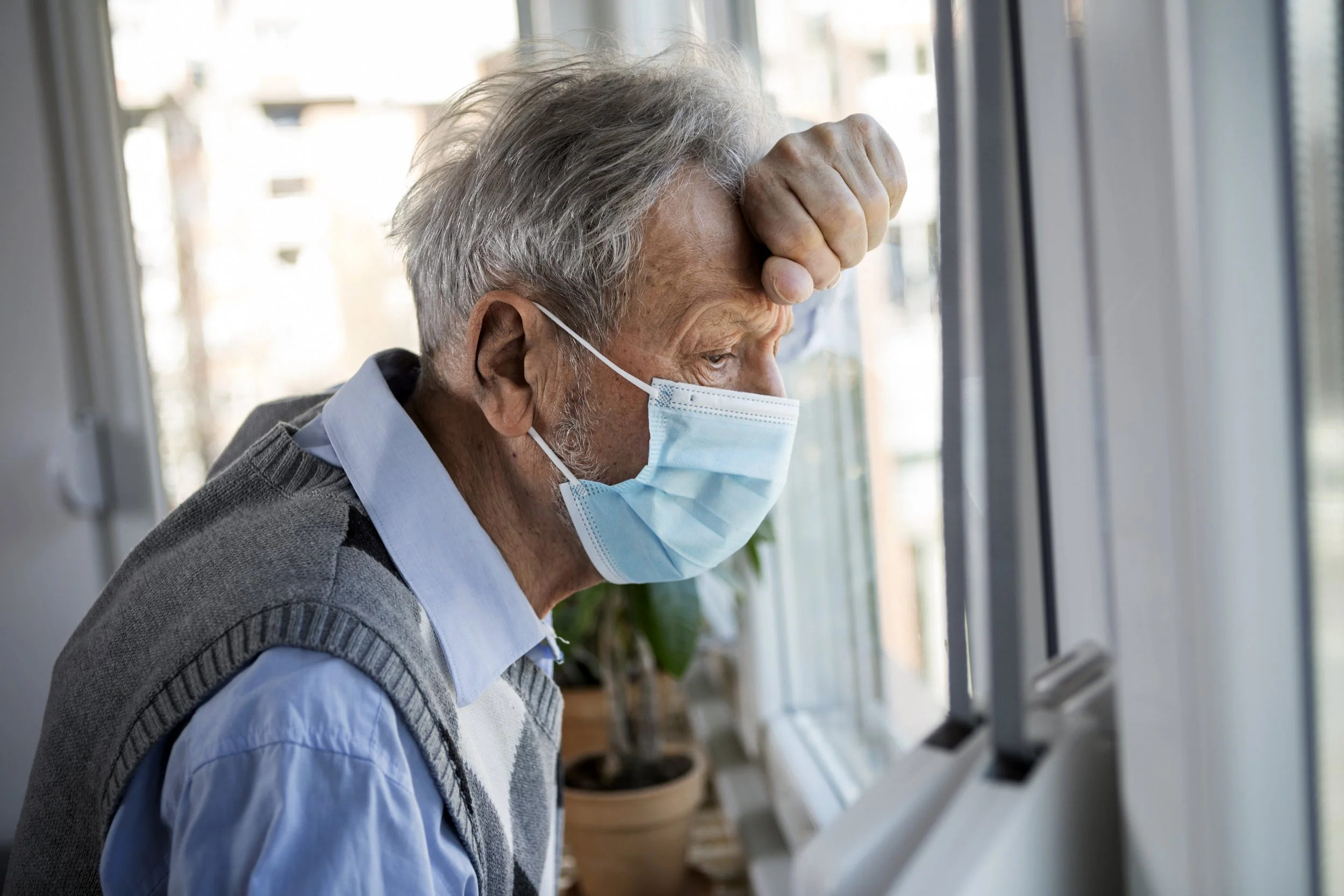
My brother died from lung cancer last September. There was no palliative care so we didn't know what was happening he had lots of falls and time in hospital, then they would send him home he got his age care package but after trying for five years it came to late my brother was in pain a lot and it was as if no one cared.
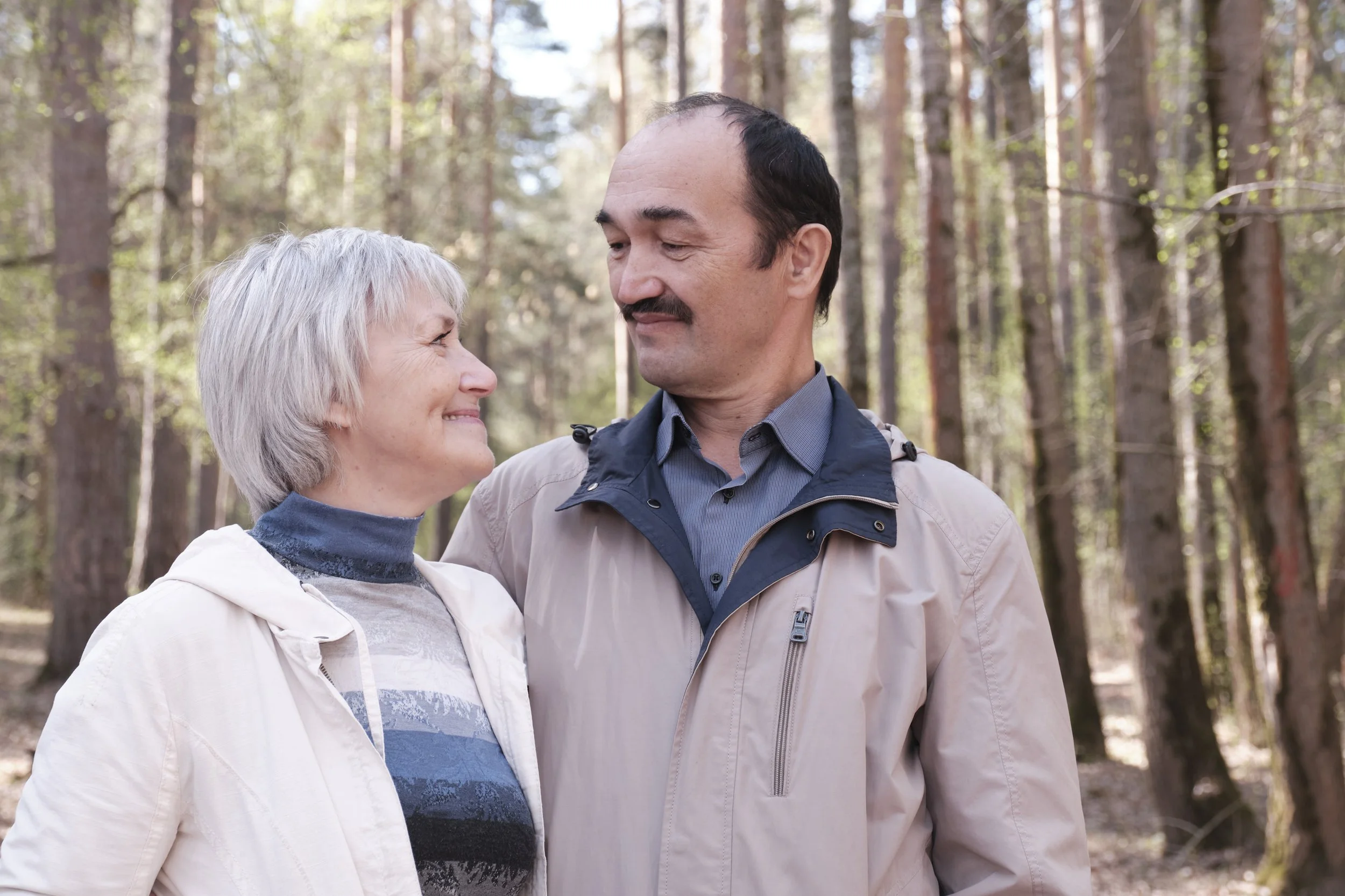
I was a Carer for my ex husband.. my children's father for 28 years after he became partially disabled due to a schizophrenic psychotic episode. Not long after he was diagnosed with Cirrhosis of the liver. We shared the family home and raised our children. Over the last few years his condition continued to deteriorate, the treatments weren't working any more. I only received assistance when he turned 65 when he received his home care package as we were rejected 5 times from the ndis, they thought his condition would improve, which was ludicrous. He had a terminal illness, suffered schizophrenia and could only walk with crutches due to his disability.
We were lucky to get in home nursing care and extra aids to help him keep shower and a walker to keep mobile funded by his package. In October he decided that he had enough and wanted to stop treatment. We discussed this with the family and we were referred to Community Palliative care.
He spent the last 3 weeks of his life at the palliative care ward with us surrounding him every day. Without the help of Community Palliative Care we would not have got him a bed. The ward were instrumental in the care of him in his last few weeks.. as a family we felt supported. I could no longer care for him at home in those last few weeks. I had great fear of him passing at home in pain and unsupported. I feel it is an integral part of our health system to have the govt support Palliative care in Victoria. The help and support my family and l received during those last few days was second to none. While we are still very much grieving for our loss, we are very grateful that he slipped away with dignity and respect. I can only wish others have this opportunity to be supported when the time comes for them and their loved one.
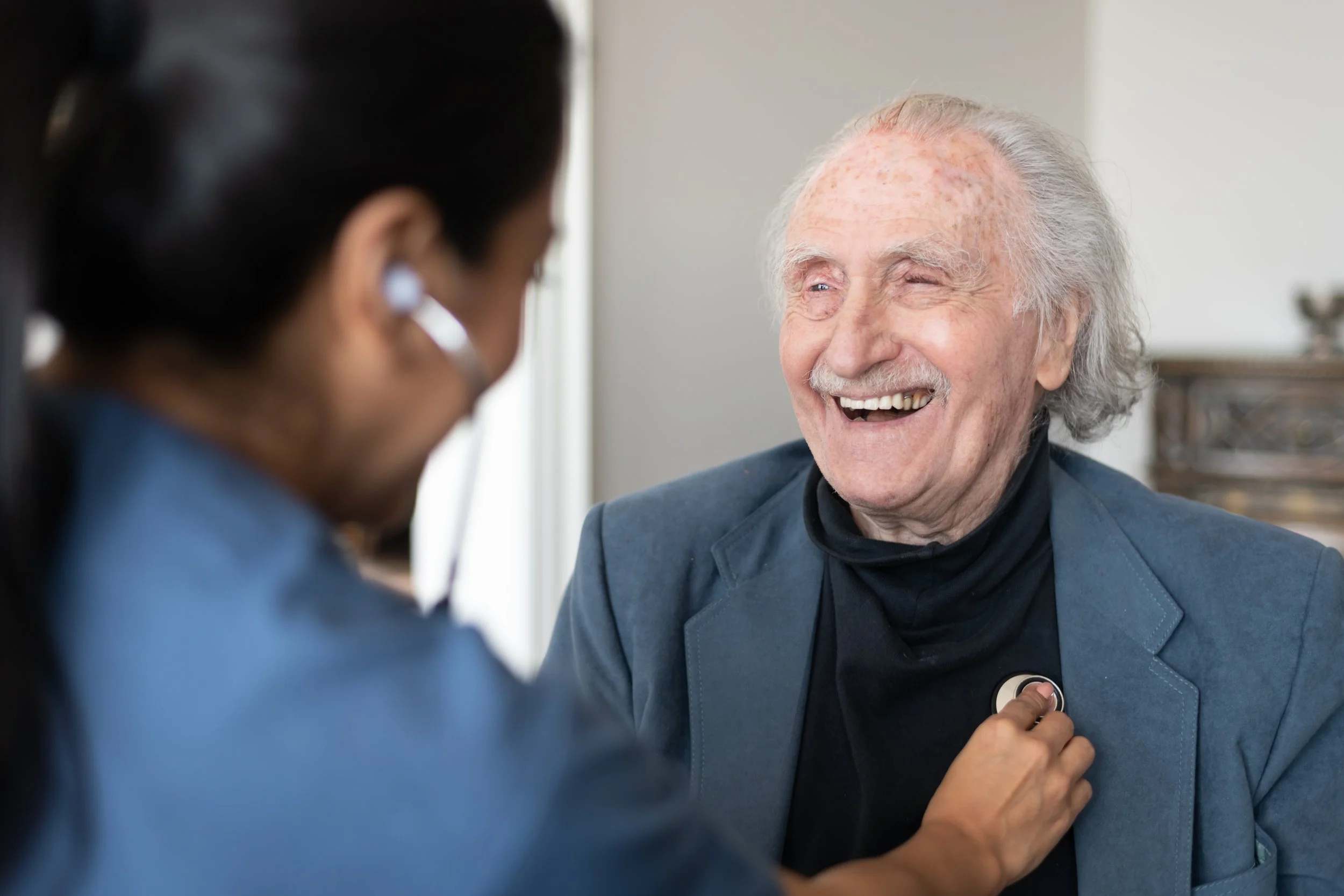
I did work for palliative care i did have a beautiful older man to care for. i would go and pick him up on a Wednesday take him to get groceries put his washing in at the laundry wash an dry it then we would go out for lunch then for a little drive then we would go back to my place for afternoon tea he would sit and talk with my husband then he would have little sleep sitting on the couch.
Later i would take him home after a period of time he went in to a nursing home hospital in regional Victoria for just a short time. I gave him his last meal his family where so lovely to me i would sit with them but was not there when he passed over during the time he was taken to Melbourne to rest with his wife, his family did stay InTouch for accouple of years. i see then now an them he became so much a family member gorgeous little man.
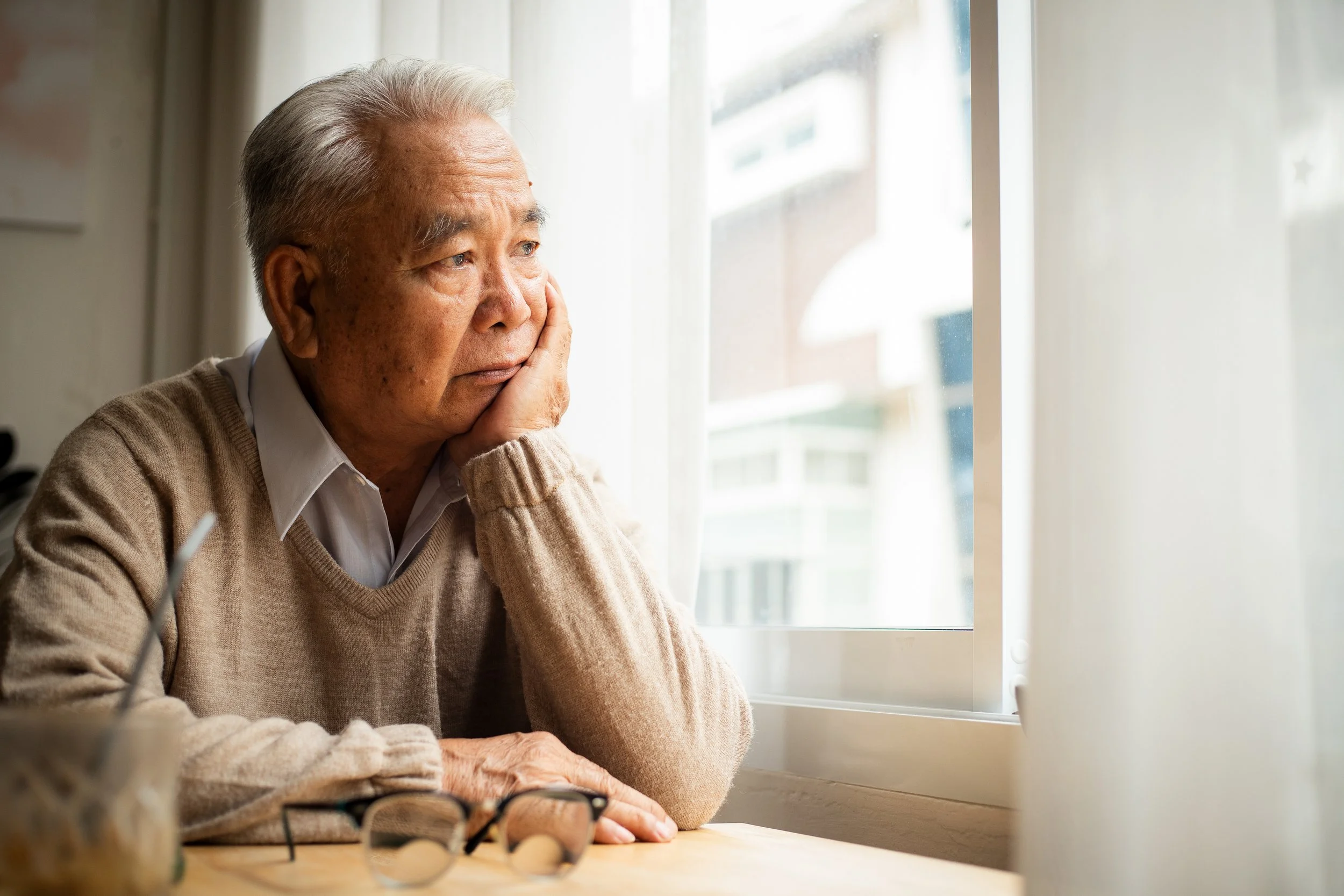
A middle-aged person had been residing in an NDIS-supported home for several years, where they had been receiving appropriate care and management of their needs. However, during a hospital admission, the facility informed the hospital that they could no longer manage the persons care upon discharge due to escalating behavioural challenges and medical complexities. The person passed away during their hospital stay which was fortunate in many ways because who else was going to care for them if the NDIS couldn't?
There was no alternative care solution for this individual, highlighting the gap in resources for participants requiring specialised or palliative care within the NDIS framework.
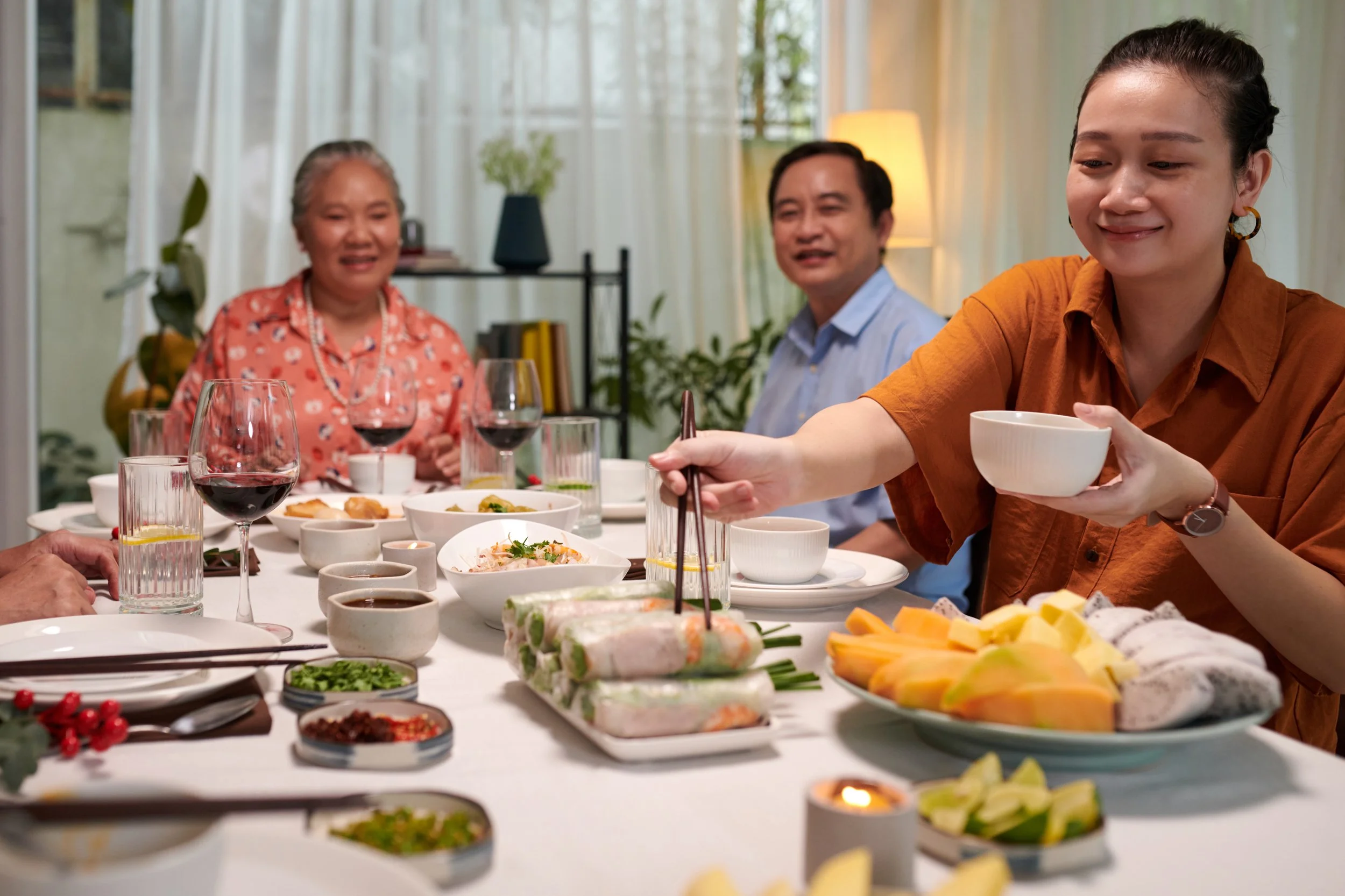
I have been a Palliative Volunteer for five years. Each person's story is unique, yet a common thread among them is their willingness to share personal experiences with a volunteer—someone perceived as an impartial listener. This role serves as a valuable conduit, allowing me to filter and relay relevant information to the Community Palliative Care team to better meet the needs of both patients and their families.
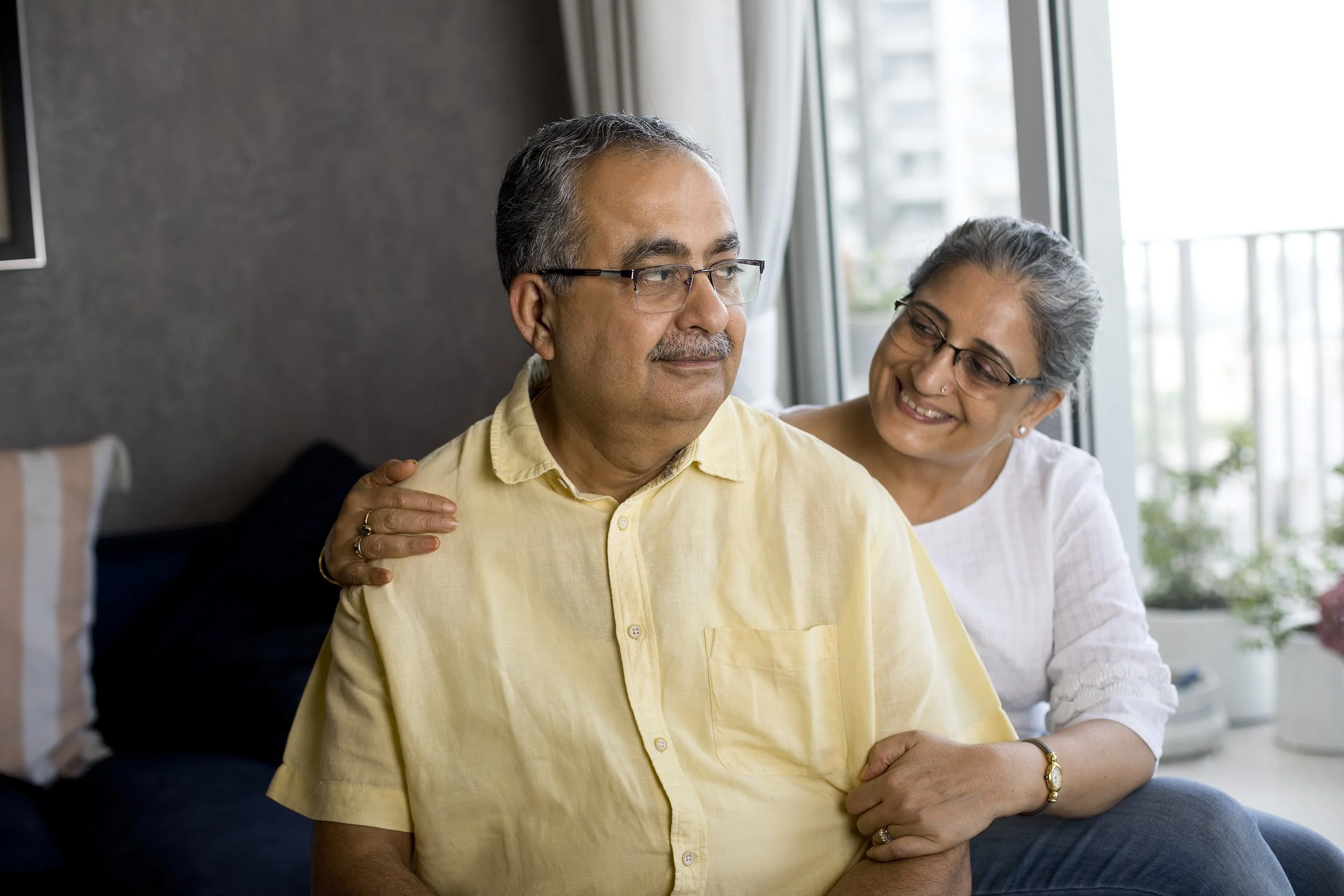
I provided some supportive care to my patient who has now sadly passed away. Prior to his death, I managed to help him experience a ride on a 1926 Morris Oxford and then took a photo of him with the car. I was pleasantly surprised that his family used that photo for his funeral service. That was a touching gesture from the family when I did not expect that at all. In the end I am happy to make him a little happier with the ride on the Morris Oxford.
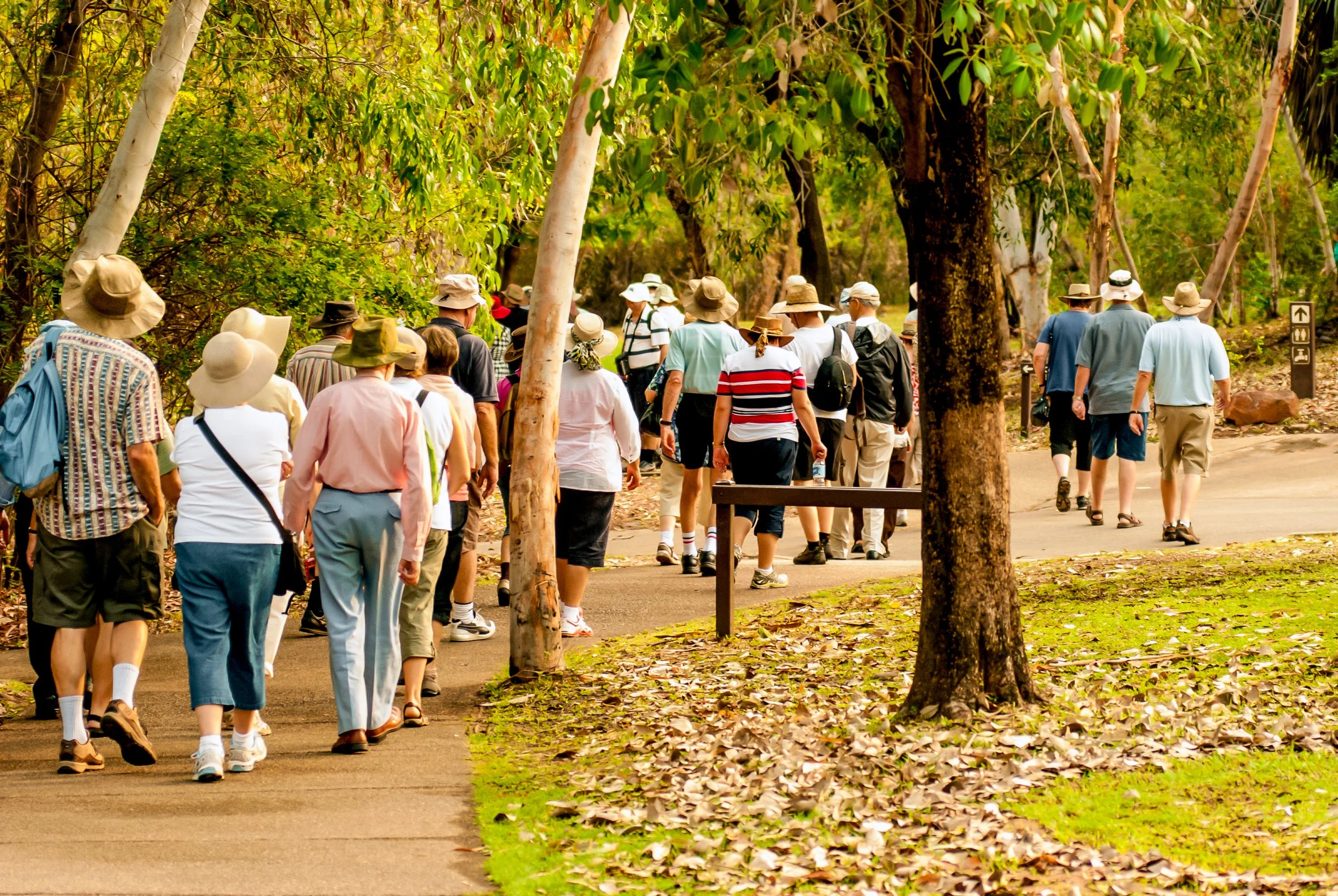
I am involved voluntarily in a rural hospice which is unfortunately unable to receive any government funding. Our hospice is unique in so many aspects in that we continue to offer bereavement support following our guest’s passing to their immediate family. This is an area in which I am involved, and I have found the rapport developed with these family members has been beautiful. They are so grateful to receive a call and it gives them an opportunity to share insights and feelings to someone other than their immediate family. They genuinely appreciate, that whilst we cared for their loved one’s end of life, we continue to keep them in our thoughts along their grief journey. I have been so enriched by sharing insights into, and developing relationships with these family members, and I believe this is such a special component in our palliative support at the hospice.
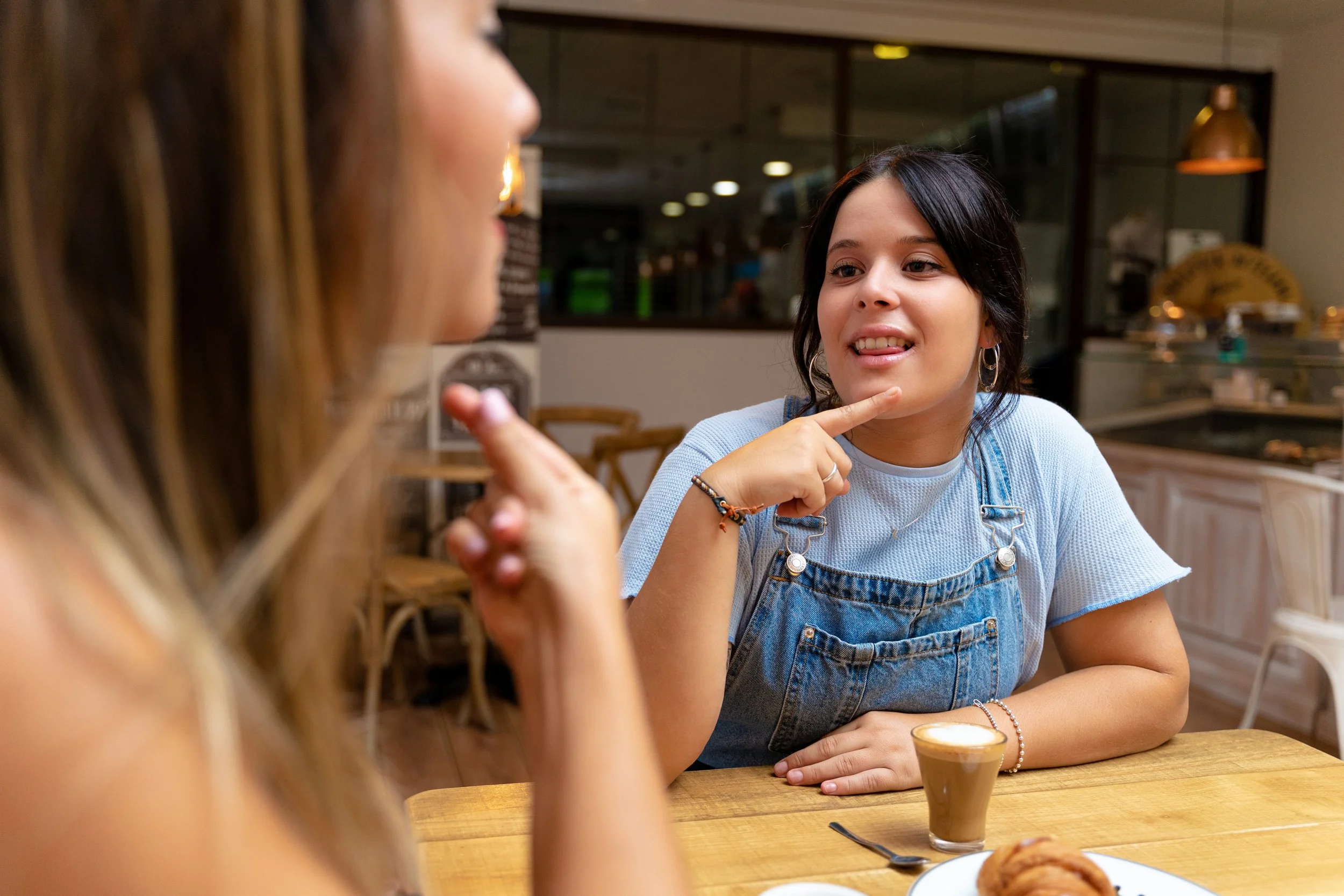
I believe my experience as a palliative care volunteer is truly invaluable - not only because I have the opportunity to offer warmth, comfort, and companionship to those facing the end of life, but also because this experience has profoundly shaped my own understanding of life and its meanings.
Through this experience, I have gained a deeper appreciation for the fragility and beauty of life, the importance of human connection, and the resilience of the human spirit. Witnessing moments of reflection, love, and even quiet strength in those nearing the end of their journey has taught me to cherish each day and to recognise how fortunate we are - to wake up, to breathe, to love, and to be loved.
I am profoundly grateful for every moment, every lesson, and everything the universe continues to offer me. This experience has not only allowed me to give, but it has also given me so much in return - a renewed perspective on gratitude, compassion, and what truly matters in life.
Volunteering for a regional hospice in the home I saw a dying gentleman most Wednesdays allowing his wife to play golf or have a cuppa with friends which reenergised her carer batteries. One day her husband said to his wife where you going Wednesday, she said no plan, staying home.
He said you have to go out my friends coming. So she took a thermos and a book and sat out at the local lookout for 2 hours
I wanted to highlight the difficulty in ensuring consistent after hours support to families with children receiving end of life care at home. Some community services offer 24/7 visits, others have phone support run by their own organisation, and others direct their after hours calls to an after hours PC service. This leads to multiple steps of handover, and multiple steps where messaging can be misinterpreted and communication can fall down. We have had instances where paediatric patients in metropolitan Melbourne have been at home and called for help, but due to breakdowns in communication with the after hours service, the right people have not been informed and families have not received support.
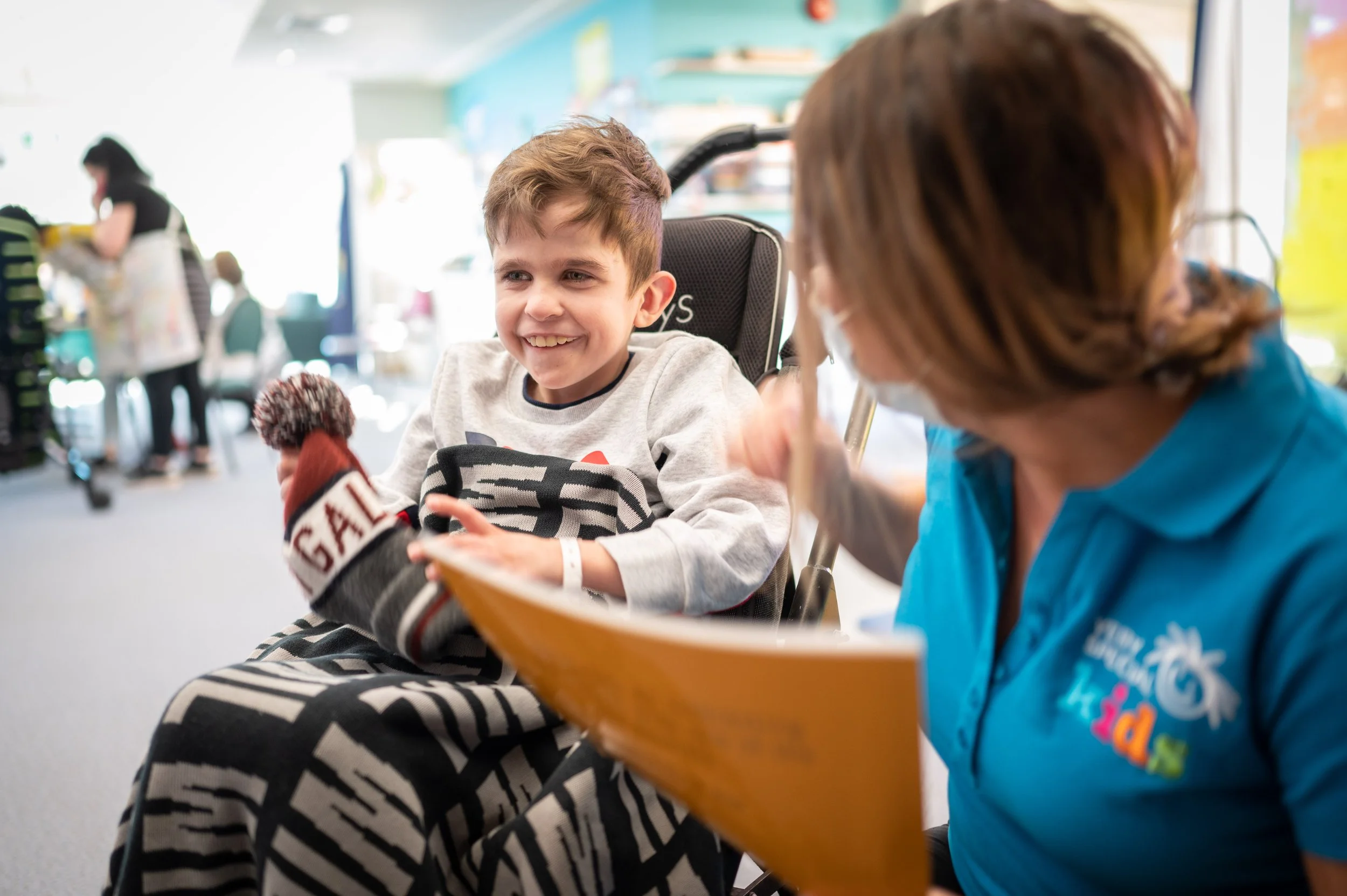
As part of a state-wide paediatric palliative care service, we support children and families across Victoria. Unfortunately, recent funding reductions have limited after-hours community palliative care support, restricting the ability to respond to children’s needs for those choosing to be care for at home, outside regular business hours.
Home is often the preferred and safest environment for end-of-life care, but without adequate after-hours support, families are left to manage complex and unpredictable symptoms on their own. Rapid symptom escalation can occur unexpectedly, and after-hours options are frequently limited to phone support, lacking the critical physical presence of a nurse.
When community services cannot attend in person, families face difficult choices: hospital admission—often against the child’s wishes—or managing distressing symptoms at home without sufficient assistance. Ambulance Victoria often becomes the only available resource for in-home support during these times.
This gap in care places an undue burden on families and can negatively impact their grief and bereavement experience, while community services are left frustrated by their inability to provide necessary support.
My friends have faced the needs for support as they work though the challenges of a life limiting illness. The ability to support their end of life wishes and their symptom management with specialist staff was phenomenal. The difference and impact across the community needs to be funded and supported to ensure all Victorian’s have the option to die in their place of choice.
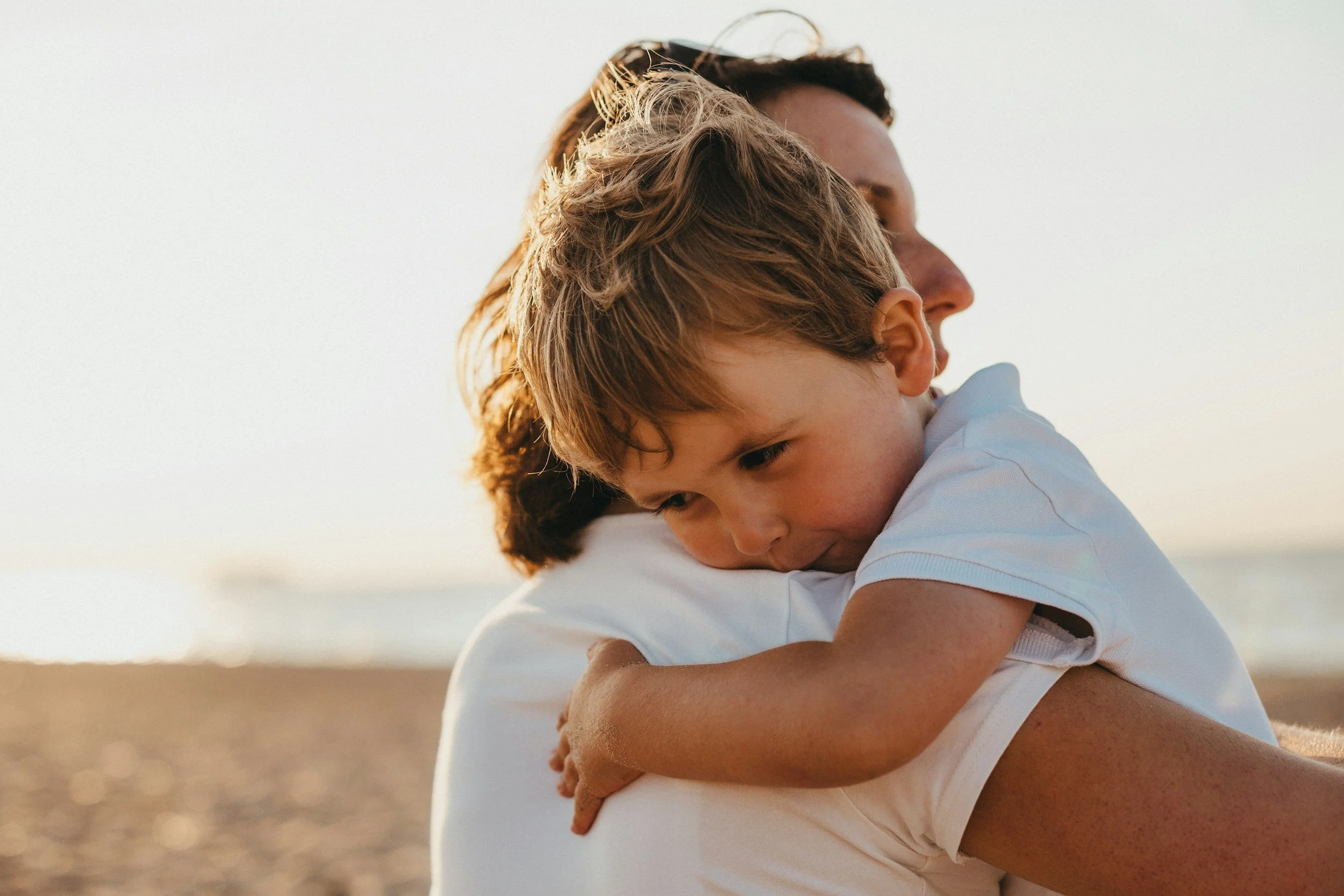
My son was diagnosed with an incurable highly aggressive brain tumour and was under the care of a hospital. They were amazing in providing a co-ordinated response to his care needs with designated individuals who were easy to contact, responsive and always eager to provide support.
As his health deteriorated a Community Palliative Care Service (CPCS) became involved to provide local care and reviews as required. There were many great nurses at the CPCS but over the 3 months we dealt with them there was little continuity in the nurse who came to assess my son. This meant that it was difficult us to build a rapport and also made it difficult for them to assess any signs of deterioration.
We had to access afterhours palliative care support from another organisation. Nothing would have changed the outcome of that night, but we didn’t feel we were provided the support we would have wanted during the last hours of my son's life.
With 3 agencies involved in palliative care, there are too many opportunities for patients/carers to receive advice that is incomplete/inappropriate particularly afterhours.

My experience with palliative care was positive as I will describe here. However, I will also share a couple of thoughts about additional services that can be improved.
When my child 6 yr old was diagnosed with cancer we received the support from the oncologists, however, they are all focused on treatments to get better and heal the body, and my guess is everyone is scare of talking about death or palliative care.
My daughter got a bit better, but the cancer came back. I wished I understood cancer better and had some previous knowledge about palliative care when she has diagnosed, having the two options offered to us as a family (treatment and palliative care would have been a good way to manage this situation and make our own decisions).
I was offered palliative care when my daughter got the cancer back, when I asked if the doctors could help her to die well (as I heard a friend of mine die that way).
Since I started dealing with palliative care the experience was as good as it can be in a situation like this. Meetings were sensitive, support was there from everyone, doctors, social worker, nurses and everyone involved. Guess what! In that area no one was afraid to talk about death, they were compassionate and full of love. We had all the support and my daughter died peacefully at home. They even assist with the school as the principal and vice principal were not supportive, I guess due to their lack of knowledge about death.
This, leads to my suggestions for improvement, education! Education about death should and needs to start since we are little, schools are more and more talking about cancer and radiation and similar topics; however, they are not talking about death. Death is a part of life and if we start learning it since we are little we will not be so scare and exposed to mental and wellbeing issues when we have to deal with it. Because we will all have to deal with it in one way or another.
Educating kids about death will also create a better path for the future health professionals; as they as well have a lot of issues dealing with death, especially when or comes to kids. If palliative care can create alliance with the government/educational system, that will be a huge improvement and will assist with a better society where death is seeing as part of life (as it is). It will still be difficult to deal with, but we as a society will be more prepared when dealing with it and when supporting others during the process. Most people are afraid of even saying the word death and not knowing how to support someone in palliative care or in grief, and the easier solution is to remove themselves from the situation and leaving families alone. Again, I insist education will alleviate most of the issues in relation to death.
My second point or recommendation for improvement is about support for siblings, while my daughter was sick, her sister went through a difficult stage, as a carer it was difficult to assist my other daughter as I was always busy with the sick one. I did the best I could, but I still feel more can be done with support from palliative care. Sometimes, parents do not even realised that support is needed. Most people focus on the sick kid or the parents, however, siblings cope with a lot of issues and abandonment due to the situation. Any support during the process and after a child has died will be beneficial for the remaining siblings and therefore for the society. I read a lot about supporting siblings through grief and have done what I think is best for my daughter, and I know this is for life; hence, any support in this aspect will be a huge improvement.
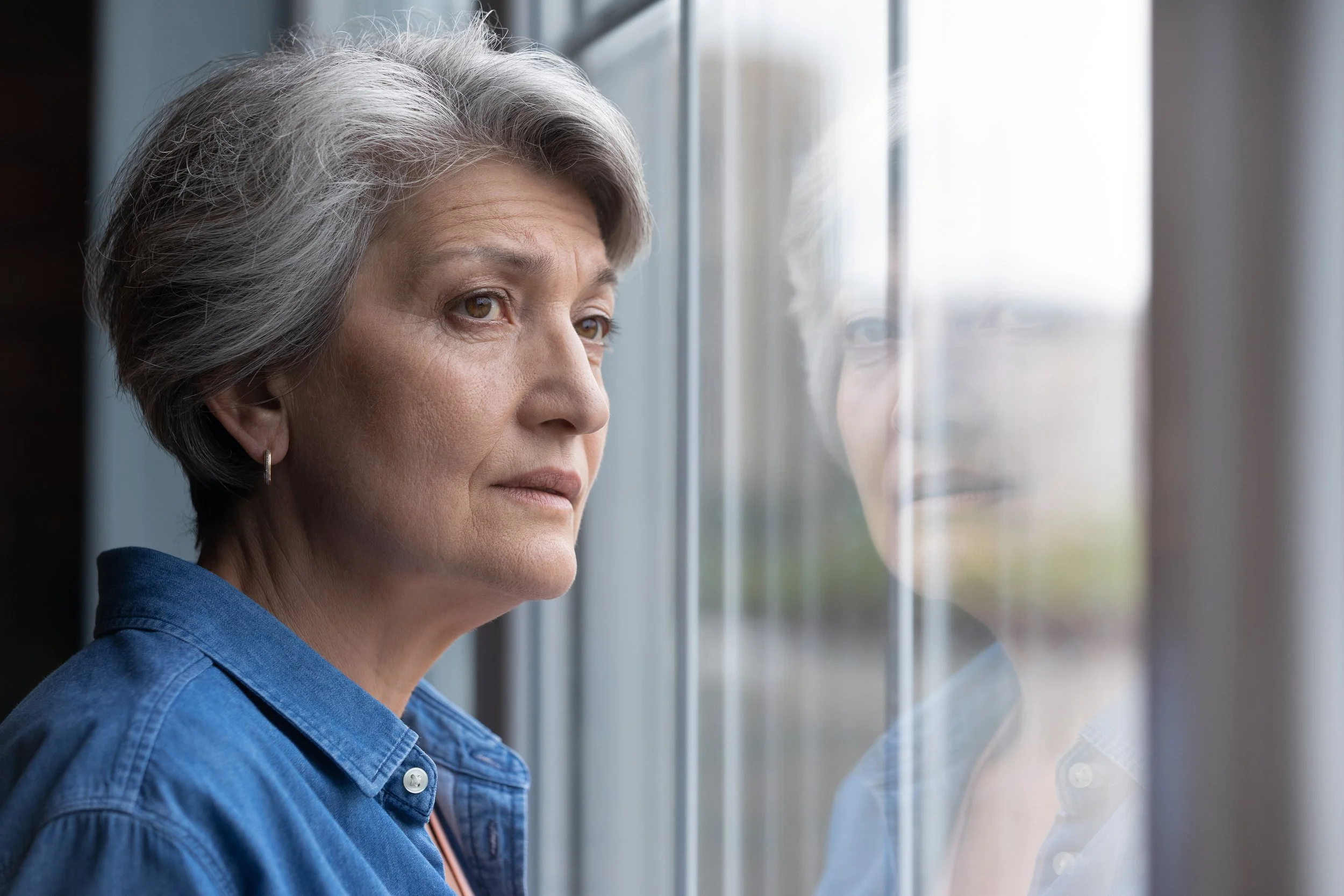
My Dad had a massive heart attack at 52, I was 21. He had a quadruple bypass and was kept alive in ICU for 3 months. He often muttered I want to go home. I wish I had known more about how to advocate for his wishes and what palliative care was.
A donor heart was on its way from the airport when he died without us beside him. My experience had a profound impact on me.